
China, Russia Call for Immediate Ceasefire as Middle East Tensions Escalate Around Strait of Hormuz

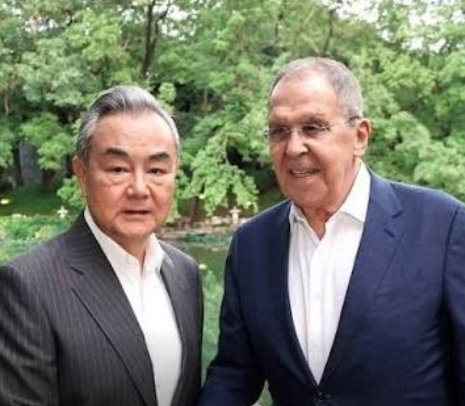
Beijing: Chinese Foreign Minister Wang Yi held a key telephone conversation with Russian Foreign Minister Sergei Lavrov, focusing on the rapidly deteriorating security situation in the Middle East, particularly rising tensions around the strategically vital Strait of Hormuz.
According to official statements, both sides expressed deep concern over the continued escalation of hostilities in the region, warning that the situation risks further destabilizing global peace and energy security.
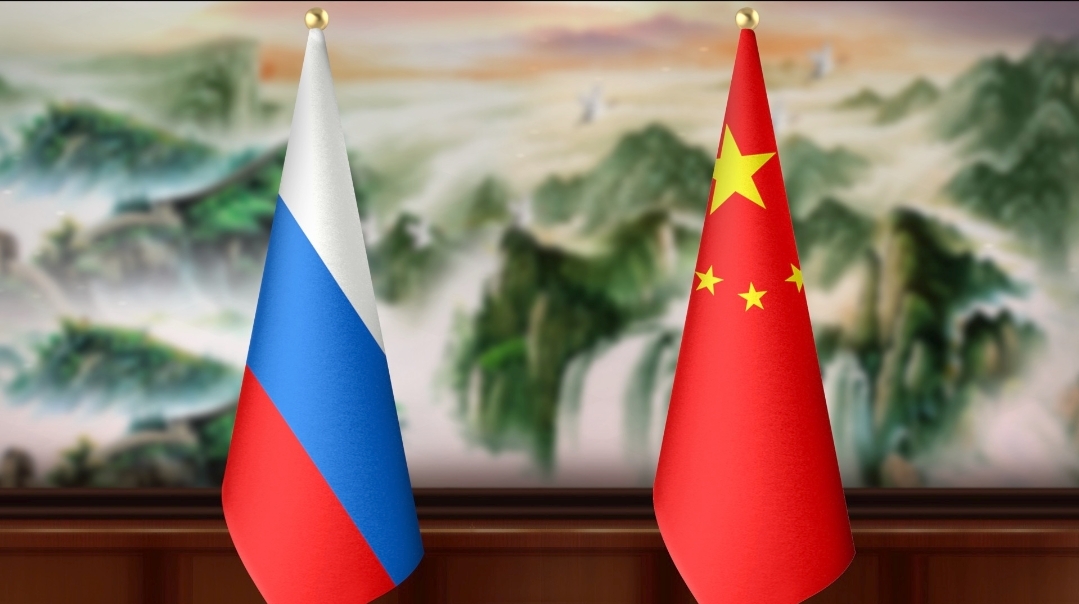
Wang Yi emphasized that the fundamental solution to the navigation crisis in the Strait of Hormuz is the immediate achievement of a ceasefire, urging all parties to halt military actions and return to dialogue and diplomacy.
During the call, China reiterated its longstanding position that political dialogue remains the only viable path to resolving conflicts in the Middle East.
Wang Yi underscored that Beijing opposes escalation and supports efforts aimed at cooling tensions through negotiations rather than force.
Sergei Lavrov also echoed similar concerns, stressing the urgent need to stop military operations and address the root causes of the conflict through diplomatic channels.
Both countries agreed that the international community must play a constructive role in preventing further deterioration.
China and Russia, both permanent members of the United Nations Security Council, agreed to enhance coordination on major international issues.
The two sides pledged to maintain close communication and adopt an objective and balanced approach in upcoming discussions, including efforts related to ensuring safe maritime navigation in the Strait of Hormuz.
Beijing further stated its readiness to continue working with Moscow within the UN framework to jointly push for de-escalation, safeguard regional stability, and uphold global security.
The diplomatic engagement comes amid an intensifying regional conflict that has severely disrupted shipping through the Strait of Hormuz—one of the world’s most critical oil transit routes.
Ongoing military confrontations have reduced maritime traffic and heightened fears of a broader regional war, with global energy markets already feeling the impact.
China’s outreach reflects its broader diplomatic push to position itself as a stabilizing force, while Russia continues to align closely with Beijing on major geopolitical crises.
Both countries are advocating multilateral solutions and resisting unilateral military actions in the region.
